

How to store a portable fan during the off - season?
As a supplier of portable fans, I understand that many customers cherish their high - quality portable fans and want to ensure they remain in top - notch condition for the next hot season. Proper storage during the off - season is crucial, not only for preserving the fan's performance but also for extending its lifespan. In this detailed guide, I'll share some expert tips on how to store different types of portable fans effectively.


Cleaning the Fan
Before you pack away your portable fan, a thorough cleaning is essential. Over time, dust, dirt, and debris can accumulate on the fan blades, grilles, and motor housing. These particles can not only affect the fan's performance but may also cause damage if left unattended during storage.
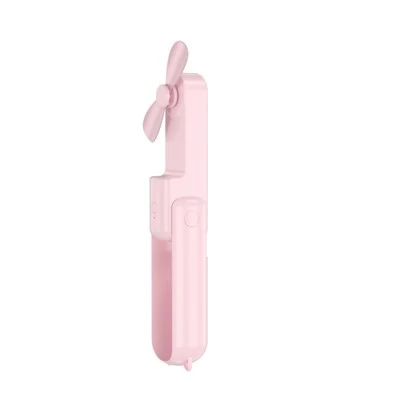
For fans with visible blades, such as the Compact Foldable Fan, you can use a soft brush or a can of compressed air to gently remove loose dust from the blades. Make sure to clean both the front and back of the blades. For tougher grime, a microfiber cloth dampened with a mild soapy solution can be used to wipe down the blades.
The outer housing and grilles can also be cleaned with the same damp cloth. Be careful not to get water inside the motor, especially for fans with electrical components. For fans like the Handheld Portable Turbo Mini Fan, which are often used in various environments, pay extra attention to the nooks and crannies where dirt may be hiding.
For bladeless fans like the Wearable Bladeless Neck Fan, the cleaning process is a bit different. Use a soft brush to clean the air intake and outlet areas. Since there are no visible blades, you can focus more on the smooth surfaces of the fan. Again, a damp cloth can be used to wipe down the exterior, but avoid getting moisture into the internal mechanisms.
Disassembling (if applicable)
Some portable fans, especially larger or more complex models, can be disassembled for easier storage. Check the user manual to see if your fan has this option. For example, if your foldable fan can be taken apart into its main components, it will take up less space in storage.
When disassembling, make sure to keep all the parts together. You can use a small plastic bag to store screws, nuts, or other small components, and label the bag clearly. This way, when it's time to use the fan again, you'll be able to reassemble it easily.
Battery Management
If your portable fan is battery - operated, proper battery management is crucial during the off - season. Leaving the batteries in the fan for an extended period can lead to battery leakage, which can damage the internal components of the fan.
Remove the batteries from the fan and store them separately. If possible, charge the batteries fully before storage. This helps to prevent self - discharge and keeps the batteries in a better condition. Store the batteries in a cool, dry place. Avoid storing them in areas with extreme temperatures or high humidity, as this can affect their performance and lifespan.
For rechargeable fans, it's also a good idea to charge the internal battery to about 50% before storage. This level helps to maintain the battery's health over time. Some rechargeable batteries may also require a "refresh" charge every few months during storage to keep them in optimal condition.
Storage Location and Conditions
The right storage location and conditions can greatly impact the longevity of your portable fan.
- Dry Environment: Moisture is one of the main enemies of electronic devices. Find a storage area that is dry and has low humidity. Basements or attics can be prone to moisture, so unless they are well - ventilated and climate - controlled, it's best to avoid storing your fans there. A closet in a living area or a storage room with a dehumidifier is a better choice.
- Cool Temperature: High temperatures can cause damage to the fan's internal components, such as the motor and wiring. Store the fan in a cool place, away from direct sunlight and heat sources like radiators or heaters.
- Protection from Dust: Even after cleaning, your fan can accumulate dust during storage. Use a dust - cover or a plastic storage bag to protect the fan from dust. If you use a storage bag, make sure it is breathable to prevent moisture buildup.
Packaging for Different Fan Types
- Foldable Fans: These types of fans, like the Compact Foldable Fan, are designed to be space - efficient. Fold the fan according to the manufacturer's instructions and place it in its original packaging if possible. If the original packaging is not available, you can use a cardboard box or a padded storage bag to protect it from bending or getting scratched during storage.
- Handheld Fans: The Handheld Portable Turbo Mini Fan is small and easy to store. Wrap it in a soft cloth to prevent scratches and place it in a small container or a plastic bag. You can also group multiple handheld fans together in a larger storage container to save space.
- Wearable Fans: For the Wearable Bladeless Neck Fan, keep it in its original case if you have it. If not, use a padded storage pouch to protect the delicate parts of the fan. Make sure to store it in a way that it won't be crushed or deformed.
Regular Checks
Even during the off - season, it's a good idea to check on your stored portable fans every few months. This allows you to detect any potential issues early, such as signs of moisture damage, battery problems, or pest infestation.
When you check the fans, give them a quick visual inspection. Look for any signs of rust, corrosion, or damage to the components. If you notice any issues, address them immediately to prevent further damage.
Conclusion
Properly storing your portable fans during the off - season is an investment in their future performance and longevity. By following these simple steps of cleaning, disassembling (if necessary), managing the batteries, choosing the right storage location and conditions, and using appropriate packaging, you can ensure that your fans are ready to provide cool comfort when the hot season returns.
As a supplier of high - quality portable fans, I'm committed to helping you get the most out of your purchase. If you're interested in expanding your collection of portable fans or are looking for a reliable supplier for your business needs, I invite you to reach out for procurement and negotiation.
References
- General knowledge on electronic device storage and maintenance.
- Manufacturer's guidelines for portable fans.