

In today's technology - driven world, we are surrounded by a multitude of electronic devices. From smartphones and tablets to smartwatches and wireless earbuds, each device often comes with its own charging requirements. This has led to a common query among consumers: "Can I use a multi - port charging cable to charge different types of devices simultaneously?" As a seasoned charging cables supplier, I'm here to shed some light on this topic.
Understanding Multi - Port Charging Cables
Multi - port charging cables are designed with multiple connectors at one end, allowing you to plug in more than one device at the same time. These cables are a convenient solution for those who have multiple devices that need charging and want to cut down on the number of charging adapters and cables cluttering their space.
The basic concept behind multi - port charging is that the power source distributes the available power among the connected devices. For example, if you have a 40 - watt power adapter and a multi - port cable with two ports, each port might receive approximately 20 watts, assuming the devices can accept that level of power. However, this is a simplified example, and the actual power distribution is more complex.
Compatibility with Different Device Types
When it comes to charging different types of devices, compatibility is a key factor. Smartphones, tablets, laptops, and other gadgets often have different charging standards and power requirements.
Let's take a look at some common device types and their charging needs:
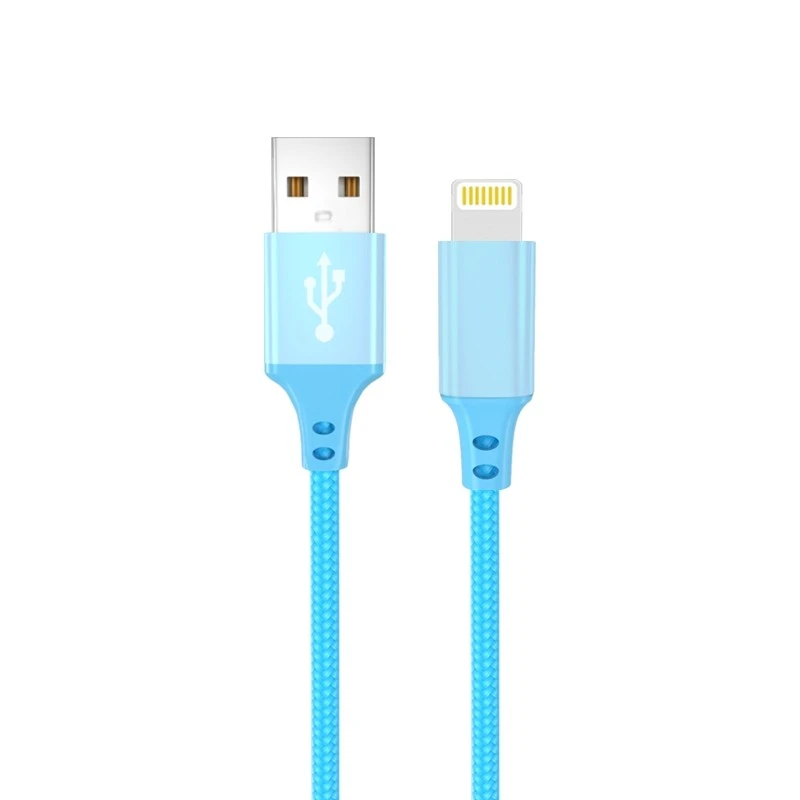
- Smartphones: Most modern smartphones support fast charging technologies. For example, iPhones work well with Lightning Cable Nylon. Android devices, on the other hand, usually use USB - C ports and can benefit from Usb A To Usb C Cable Data. A good multi - port cable should be able to provide the right amount of power and support the appropriate charging protocol for these devices.
- Tablets: Tablets generally require more power than smartphones due to their larger batteries and higher screen resolutions. A multi - port cable needs to be able to handle the increased power demand without overheating or causing damage to the device.
- Laptops: Laptops have much higher power requirements compared to smartphones and tablets. Some laptops use USB - C for charging, but not all multi - port cables are rated to supply the high wattage needed for laptops.
Simultaneous Charging and Power Management
When charging multiple devices simultaneously, the power management of the multi - port cable becomes crucial. Different devices draw different amounts of power based on their battery levels, charging technologies, and usage states.
A high - quality multi - port cable will have intelligent power management circuitry. This circuitry can detect the power requirements of each connected device and distribute the available power accordingly. For instance, if you connect a nearly - fully - charged smartphone and a tablet with a low battery to the same multi - port cable, the cable will allocate more power to the tablet to charge it faster while still providing a trickle charge to the smartphone.
However, there are limitations. If you try to charge too many high - power devices at once, the cable may not be able to supply enough power to charge all of them at their maximum rates. In some cases, the devices may charge more slowly than if they were charged individually.
Potential Risks and Issues
While multi - port charging cables offer convenience, there are also some potential risks and issues to be aware of.
Overheating: Charging multiple devices simultaneously can generate a significant amount of heat. If the cable does not have proper heat dissipation mechanisms, the increased temperature can not only damage the cable itself but also pose a risk to the connected devices.
Voltage and Current Mismatch: Using a multi - port cable that is not compatible with a device's voltage and current requirements can lead to slow charging, device malfunctions, or even damage to the device's battery. For example, an iPhone requires a specific voltage and current for proper charging. Using an incompatible cable might lead to issues with the Cable Iphone Compatible functionality.

Data Transfer Interference: Some multi - port cables are designed for both charging and data transfer. When charging multiple devices at once, there may be interference with data transfer speeds. The cable may not be able to handle the high - speed data transfer requirements of multiple devices simultaneously.
Our Solutions as a Charging Cables Supplier
As a leading charging cables supplier, we have developed a range of multi - port charging cables that address these concerns. Our cables are built with high - quality materials and advanced power management technology.
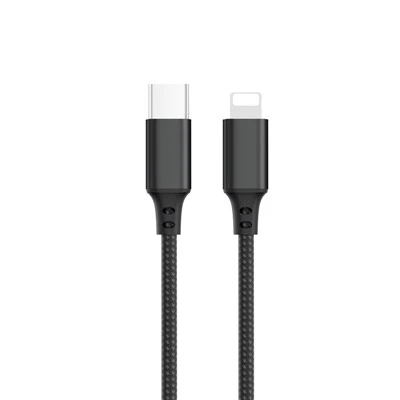
Our Cable Usb Usb C Lightning is a prime example. It features intelligent power distribution, ensuring that each connected device receives the right amount of power. The cable is also designed with excellent heat dissipation properties to prevent overheating.
We also offer the Usb C Lightning 1m, which is a reliable option for charging Apple and Android devices simultaneously. It adheres to strict safety standards, protecting your devices from voltage and current mismatches.
Making the Right Choice
When choosing a multi - port charging cable, consider the following factors:
- Device Compatibility: Ensure that the cable is compatible with the types of devices you want to charge. Check the cable's specifications to see if it supports the charging protocols of your devices.
- Power Output: Look at the total power output of the cable and how it distributes power among the ports. A higher - power cable is generally better if you plan to charge multiple high - power devices.
- Build Quality: A well - built cable is less likely to overheat or break. Look for cables with durable materials and good insulation.
Conclusion
In conclusion, yes, you can use a multi - port charging cable to charge different types of devices simultaneously. However, it is essential to choose the right cable that is compatible with your devices and has proper power management features. As a charging cables supplier, we are committed to providing high - quality solutions that make your charging experience safe and convenient.
If you are interested in purchasing our multi - port charging cables or have any questions about our products, we encourage you to contact us for a procurement discussion. We are dedicated to meeting your charging cable needs and ensuring your satisfaction.
References
- "Handbook of Battery Charging Technologies" by John P. Kumaresan.
- Manufacturers' specifications for various electronic devices and charging cables.