

PVC Material: The Economical and Practical Basic Option
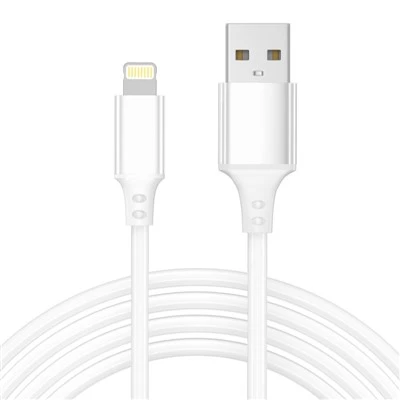
PVC (Polyvinyl Chloride) is one of the most common materials for charging cables, much like the basic jeans-affordable and durable. Charging cables made of this material are usually quite stiff, suitable for everyday use, but prone to breakage after prolonged bending.
Advantages: Low cost, good water resistance, easy to clean
Disadvantages: Poor flexibility, not heat-resistant, prone to aging
Suitable Scenarios: Fixed office use, users with limited budgets
TPE Material: A Soft and Eco-friendly New Choice
TPE (Thermoplastic Elastomer) material is like an upgraded version of sweatpants, softer and more environmentally friendly than PVC. Charging cables made of this material are comfortable to the touch, have good bending resilience, and have become a mainstream choice in recent years.
Environmental Characteristics: Recyclable, halogen-free
User Experience: Soft cable, not easily tangled or knotted
Durability: Tensile strength is about 30% higher than PVC
Nylon Braided: The Professional with High Durability
Nylon braided charging cables are like outdoor rain jackets, designed for high-intensity use. The woven surface layer provides extra protection, suitable for frequent travelers or careless users.
Tension resistance: 3-5 times that of ordinary materials
Anti-tangle design: Special weaving process reduces tangling
Appearance options: Multiple colors and textures available
Suitable for: Travel, construction sites, and other harsh environments