

Confirm Interface
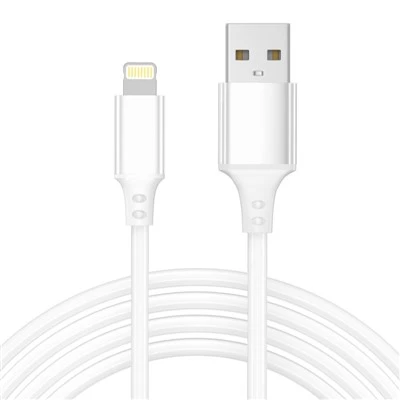
First, confirm the interface type required by your device, such as Micro USB, Type-C, Lightning, etc. Choosing the correct interface type ensures compatibility between the charging cable and the device.
Understand Power
Different devices have different requirements for charging power and current. Generally, the power and current of the charging cable should match the device's requirements to ensure charging speed and safety.
Consider Material
The material of the charging cable affects its durability and transmission efficiency. High-quality cables usually have better conductivity and durability. You can choose charging cables made of better materials such as copper or aluminum.
Check Length
Choose a charging cable of an appropriate length for your needs for ease of use. The diameter of the cable also affects transmission efficiency; generally, thicker cables have better conductivity and better charging performance.
Check Charging Protocol
If the device supports fast charging or flash charging, you need to choose a charging cable that supports the corresponding charging protocol to achieve fast charging. Also, pay attention to the compatibility between the charging cable and the charger.